However, successful cloud migration requires careful planning and execution. Without a clear strategy, businesses may face downtime, security risks, and unexpected expenses.
What is Cloud Migration?
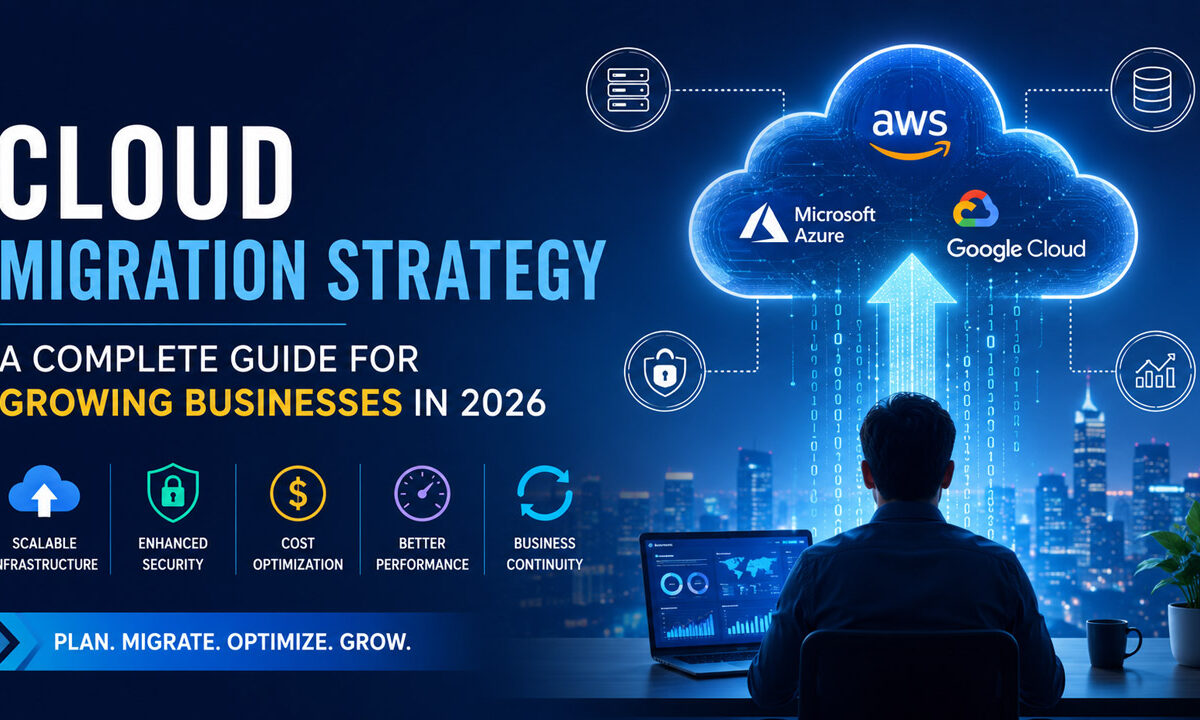
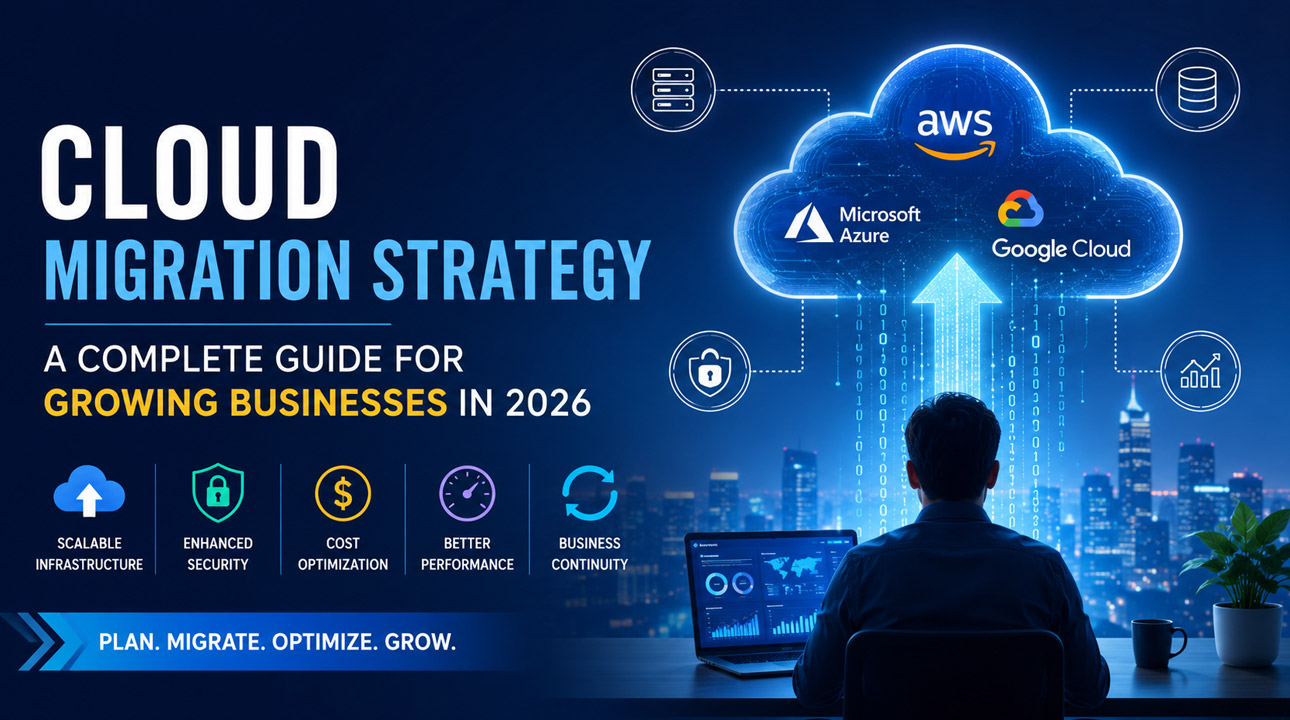
Cloud migration is the process of moving digital assets such as applications, databases, servers, and workloads from on-premise infrastructure or legacy systems to cloud environments like AWS, Microsoft Azure, or Google Cloud Platform (GCP).
The goal is to leverage cloud technologies for greater flexibility, performance, and business continuity.
Why Businesses are Moving to the Cloud
1. Scalability on Demand
2. Cost Optimization
Cloud services eliminate large upfront hardware investments and reduce maintenance costs through pay-as-you-go pricing models.
3. Improved Security
Leading cloud providers invest heavily in advanced security measures, including encryption, threat detection, and compliance certifications.
4. Enhanced Performance
Cloud environments offer global infrastructure, load balancing, and optimized resource allocation for faster application performance.
5. Business Continuity
Built-in backup and disaster recovery capabilities help businesses maintain operations even during unexpected disruptions.
Common Cloud Migration Strategies
Rehosting (Lift and Shift)
Applications are moved to the cloud with minimal modifications.
Best for: Quick migrations and legacy applications.
Replatforming
Applications are optimized slightly while being migrated.
Best for: Organizations seeking performance improvements without complete redevelopment.
Refactoring
Applications are redesigned to fully utilize cloud-native services.
Best for: Long-term scalability and innovation.
Repurchasing
Replacing existing software with cloud-based SaaS solutions.
Best for: CRM, ERP, and collaboration tools.
Retiring
Removing outdated applications that no longer provide business value.
Best for: Reducing operational complexity.
Key Challenges During Cloud Migration
Organizations often need cloud expertise to manage and optimize their new environments.
Skills Gap
Legacy applications may require modifications before functioning effectively in cloud environments.
Compatibility Issues
Unexpected resource consumption can increase cloud expenses if not properly monitored.
Cost Overruns
Poor planning can result in service interruptions that impact customers and business operations.
Downtime Risks
Protecting sensitive information during migration requires strong encryption and access controls.
Data Security Concerns
Steps to Build a Successful Cloud Migration Strategy
Step 1: Assess Current Infrastructure
Evaluate applications, databases, dependencies, and performance requirements.
Step 2: Define Business Objectives
Identify goals such as cost reduction, scalability, improved security, or faster deployment cycles.
Step 3: Choose the Right Cloud Model
- Public Cloud
- Private Cloud
- Hybrid Cloud
- Multi-Cloud
Select the model that aligns with business requirements and compliance needs.
Step 4: Create a Migration Roadmap
Develop a phased migration plan with timelines, responsibilities, and risk mitigation strategies.
Step 5: Test Before Deployment
Conduct extensive testing to validate performance, security, and application functionality.
Step 6: Monitor and Optimize
Continuously monitor workloads and optimize resource allocation to maximize cloud efficiency.
Best Practices for Cloud Migration
- Start with low-risk applications.
- Implement robust backup and recovery procedures.
- Use automated migration tools where possible.
- Establish security policies before migration.
- Monitor cloud costs regularly.
- Train teams on cloud management practices.
- Work with experienced cloud consultants for complex migrations.
How Cloud Migration Supports Business Growth
Cloud infrastructure enables businesses to:
- Launch products faster
- Expand into new markets
- Improve customer experiences
- Support remote and distributed teams
- Accelerate innovation through AI and automation
By eliminating infrastructure limitations, organizations can focus more on strategic growth initiatives rather than IT maintenance.
Conclusion
Cloud migration is a critical step for businesses looking to remain competitive in today’s digital landscape. A well-planned migration strategy can improve operational efficiency, strengthen security, reduce costs, and provide the flexibility needed for future growth.
Whether you’re moving a single application or transforming your entire IT ecosystem, success depends on careful planning, expert execution, and ongoing optimization.
At Permute IT, we help businesses design secure, scalable cloud migration strategies tailored to their unique goals. From infrastructure assessment to post-migration optimization, our experts ensure a seamless transition that delivers measurable business value.